I. Introduction
Metamorphosis is visually represented as the transformation of one shape into another. In animation, metamorphosis, as an important technique, gradually changes the appearance of an object by designing inbetween frames between key frames. Metamorphosis can be used to convey exaggerated movements and emotions as well as abstract concepts and metaphors. Based on the presentation I gave a few months ago on animator Koji Yamamura, whose animation style heavily incorporates metamorphosis, I have chosen to explore metamorphosis in animation here.
II. Historical & Technical Evolution
In the early period of hand-drawn animation, animators relied on hand-drawn techniques to achieve morphing transformations in characters, such as facial distortions and exaggerated body stretches, enhancing storytelling. Such metamorphosis is evident in classic animations from Disney and Warner Bros. For example, in Who Framed Roger Rabbit (1988), a character’s body inflates and stretches to express emotions in a humorous way.
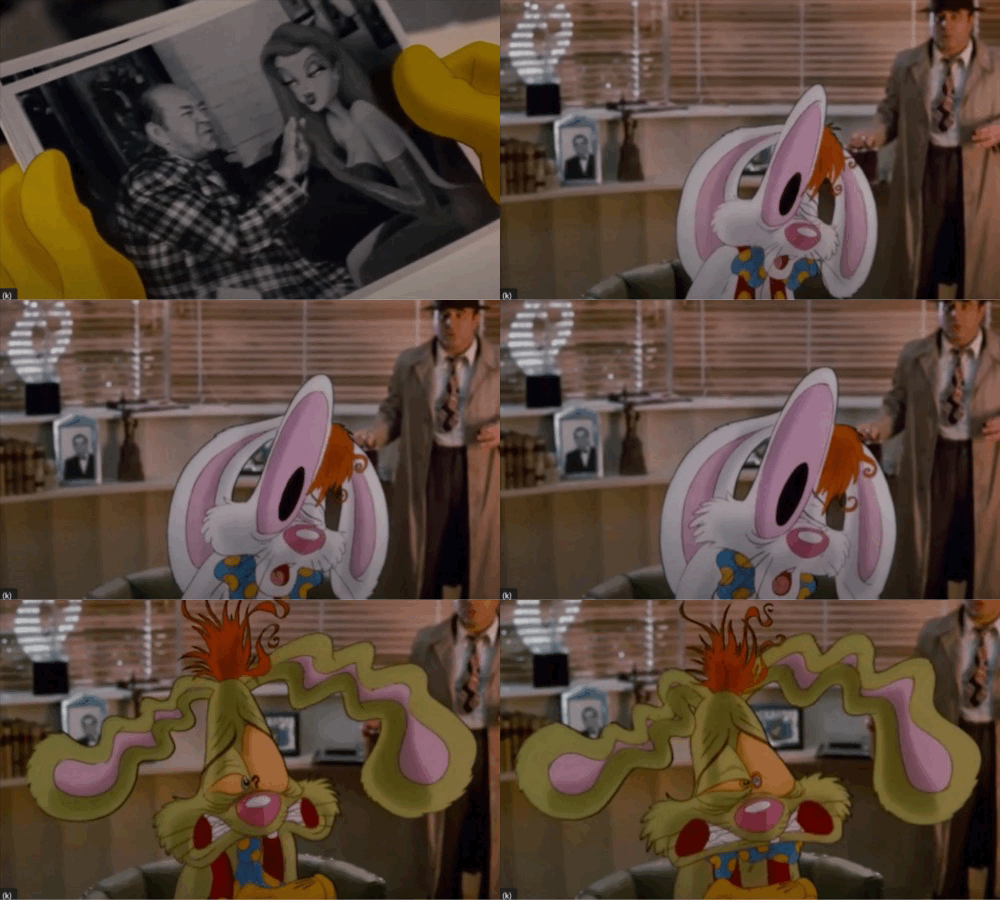
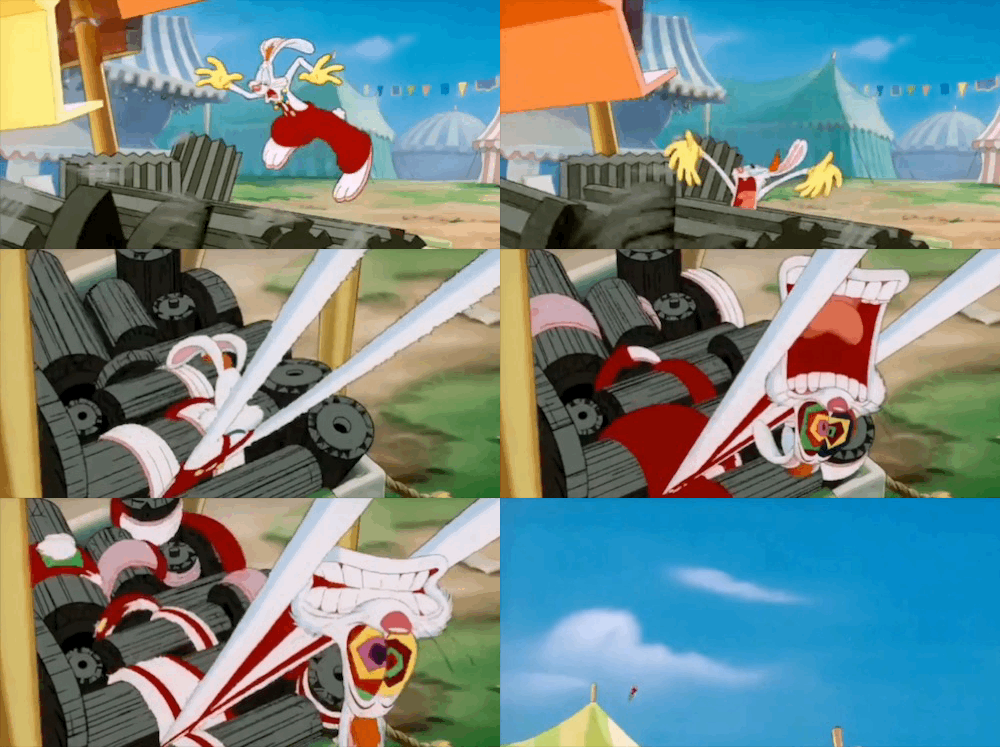
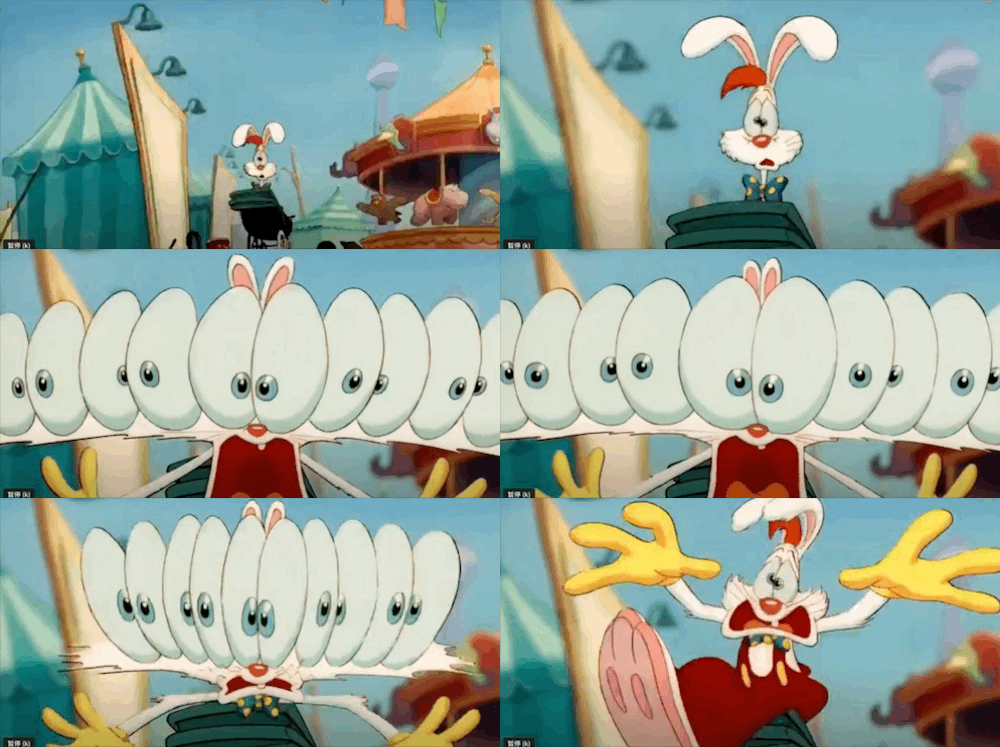
With the development of computer technology, animators began utilizing digital tools to create smooth transitions between images, as seen in the experimental films produced by Robert Abel and Associates. Later, thanks to CGI technology, morphing animation became a staple of Hollywood visual effects, such as in Terminator 2: Judgment Day (1991), where characters underwent complex transformations within seconds.
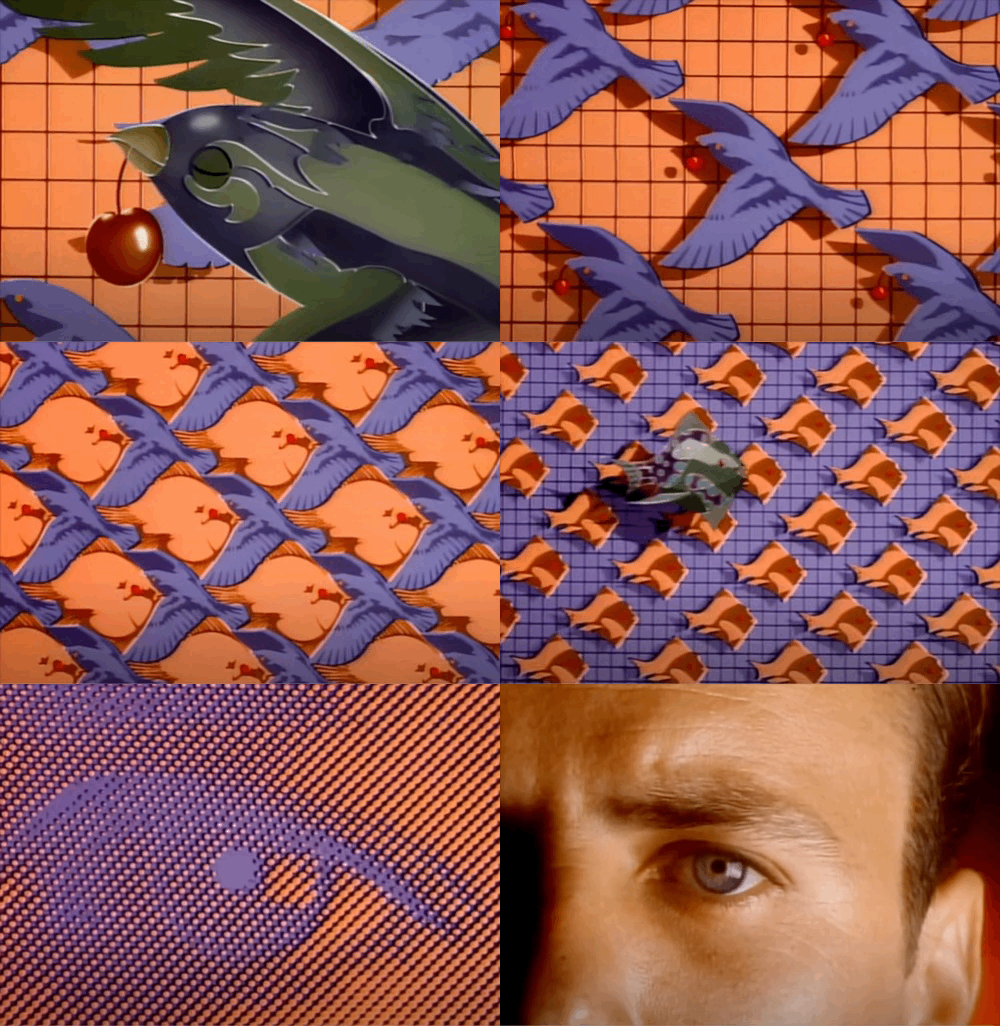
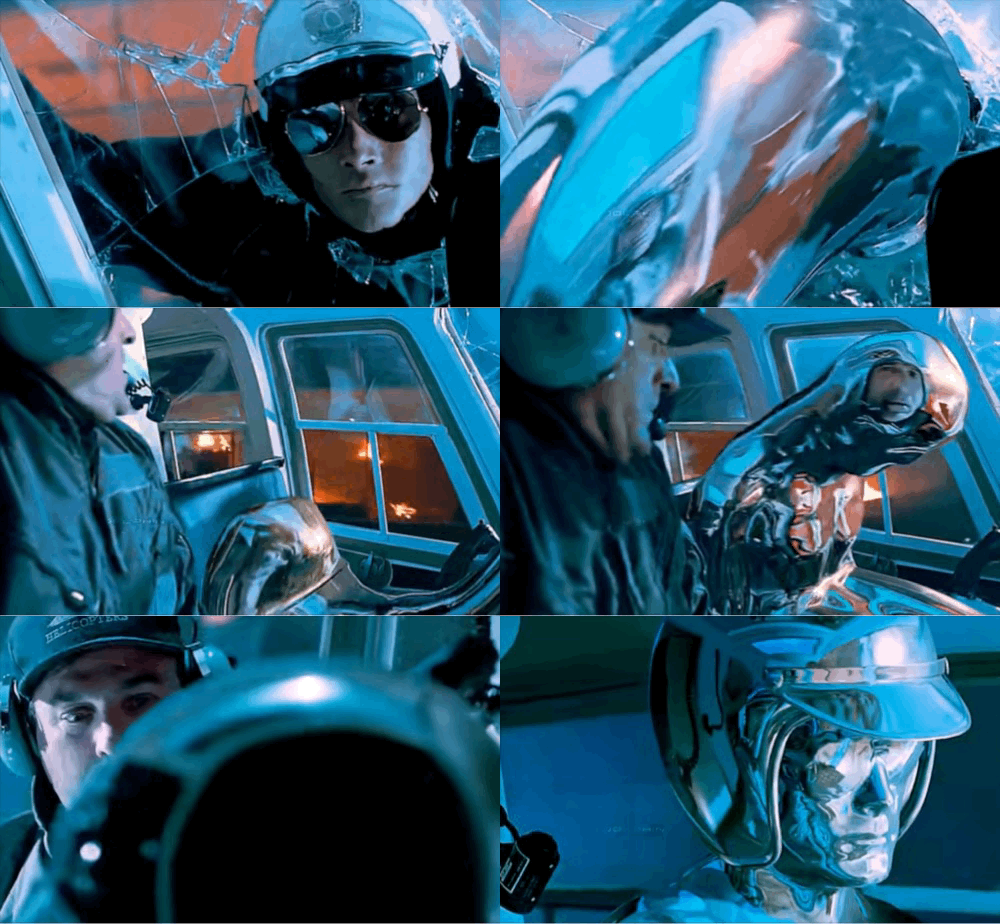
Nowadays, the technical approaches to metamorphic animation are both diverse and refined. Advanced software such as Adobe After Effects, Maya, and Silhouette, along with the evolving creativity of animators, continues to push the boundaries of animation, enriching both its narrative depth and visual impact.
III. Artistic Expression & Visual Examples
Here, I would like to focus on one case study—an important work in metamorphosis animation: Koji Yamamura’s The Country Doctor. As mentioned earlier, metamorphosis in animation achieves a seamless connection between two visual elements, an effect that can serve as a metaphor. A metaphor is a comparison between two seemingly unrelated things. On an animation forum, I once saw an animator define metaphor as “giving something an expression that belongs to something else.”
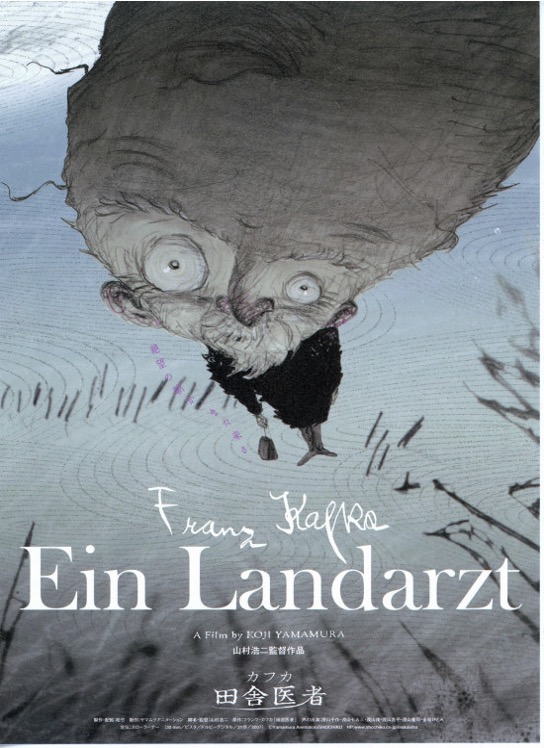
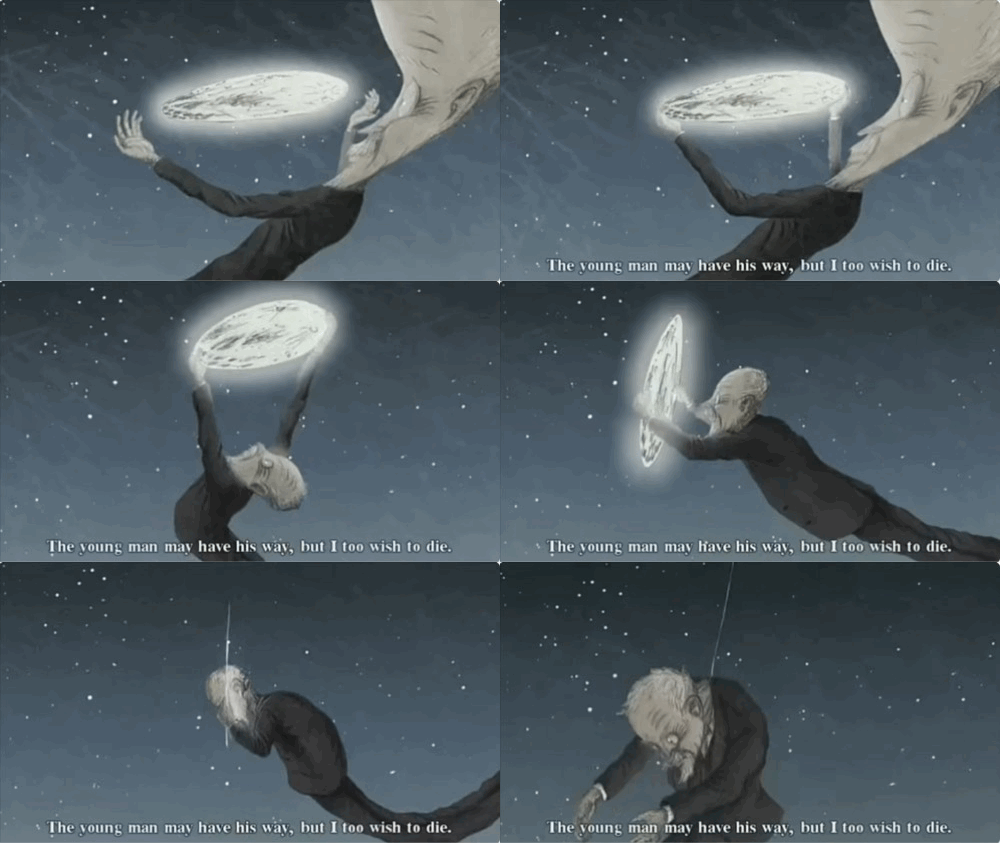
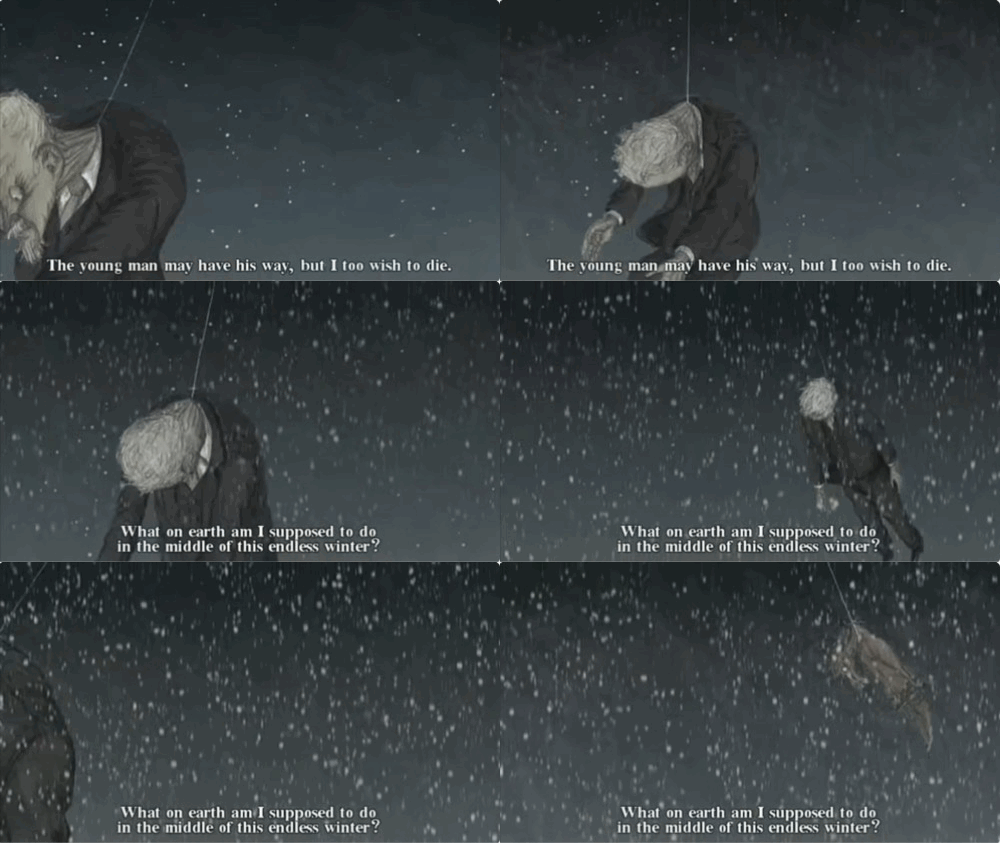
In this short film, to express the doctor’s inner monologue, Yamamura implements a series of radical metamorphoses: the doctor reaches out and grabs the moon, which then morphs into a rope, and the doctor uses this rope to hang himself. The hanging doctor subsequently transforms into a horse, his head plunging into the rope as his body sways. This extreme visual shift not only blurs the boundary between human and animal but also profoundly exposes the doctor’s inner turmoil and the disconnect between his reality and psychological state. Through this continuous series of fluid transformations, Yamamura visualizes the doctor’s inner pain and loneliness, posing the question: can human despair transcend biological boundaries to find a path to self-redemption?
IV. Conclusion
Metamorphosis in animation serves multiple functions, including entertainment, narrative, and metaphorical value. Its entertainment and narrative value are evident in many iconic films, such as the pumpkin turning into a carriage in Cinderella (1950) and Chihiro’s parents transforming into pigs in Spirited Away (2001). On the other hand, its metaphorical value may be more subtle, yet when effectively executed, it leaves a lasting impression on the audience.
In the future, I aim to incorporate metamorphosis and metaphor into my animation to explore deeper themes and encourage reflection on the real world.
References
• Kawashima, K. (2019). Metamorphosis as Origin—Koji Yamamura’s Short Animation Franz Kafka’s A Country Doctor. Arts, 8(2), 54. https://doi.org/10.3390/arts8020054
• Fu, Y. (2012). On the Application of Dynamic Metamorphosis in Animation Creation. Film Literature, (15), 48-49.
• Grobler, D. (2023). Translation as Metamorphosis in the Animated Poetry-Film. Critical Arts, 1–12. https://doi.org/10.1080/02560046.2023.2262555
• Animation Studies 2.0: A Virtual Roundtable on Relations Between Metaphor and Metamorphosis.
Leave a Reply